 English
 Español
When it comes to real estate and property management, it’s no secret that Colorado is highly regulated. In fact, there’s not a singular Colorado Landlord-Tenant Act, but a collection of multiple different laws passed over the years at the federal, state, and local levels. They cover everything from security deposits to eviction procedures to habitability standards. Knowledge of these laws is crucial. Following them is mandatory. And keeping up with any and all changes to existing or new laws is paramount when it comes to successful property management in Colorado.
In this guide, we aim to cover a few of the major laws that apply to property management. But first things first. We’re not attorneys and we’re not giving legal advice. We’re simply defining the applicable Colorado landlord-tenant laws that every rental property owner should be aware of. We highly encourage you to talk with a Colorado real estate attorney for further clarification, information, or for advice when it comes to navigating these and any legal situation for your property.

The Warranty of Habitability
At the core of Colorado tenant rights is the warranty of habitability — the legal requirement that every rental unit be safe and livable. This means landlords are responsible for keeping essentials functional: plumbing, heating, electrical systems, hot water, weatherproofing, and structural safety, along with keeping the unit free of health hazards.
Colorado significantly updated this law through SB24-094, adding clearer timelines and procedures for handling a habitability complaint. Generally, if something makes a unit unsafe or unlivable, a tenant must notify the landlord in writing, and the landlord then has a defined window to begin fixing the issue. These issues can’t be ignored, delayed, or denied. Short answer: they have to be resolved and quickly. If a landlord fails to act, tenants may have remedies like rent reduction, repair-and-deduct in some cases, or lease termination, though these routes come with specific legal requirements that are easy to get wrong without guidance. Consult with a Colorado real estate attorney for more specifics on what tenants can and can’t do when a warranty of habitability issue is not properly handled.
Security Deposits
Security deposits belong to the tenants. Period. They are held specifically to ensure lease compliance and have strict rules on how they’re processed at the end of the agreement. Colorado security deposit law sets a clear return timeline: landlords must return a tenant’s deposit, or send a written, itemized statement of deductions, within 30 days of move-out, unless the lease specifies a longer period, up to a maximum of 60 days. Deductions are limited to things like unpaid rent, unpaid utilities, and damage beyond normal wear and tear. The definition of damage vs normal wear and tear is a hot topic in the real estate industry and changes from time to time as new laws come into play. In fact, it was just redefined at the beginning of 2026 under HB-1249 to include normal turnover cleaning and carpet cleaning. Knowing the timeline and process for returning the deposit and statement as well as what can and can’t be deducted is crucial. Failure to adhere to these requirements poses significant financial and legal risk.
Rent Increases and Total Cost Disclosures
Colorado does not have statewide rent control as of 2026. Even so, landlords cannot raise rent however or whenever they choose. During a fixed-term lease, rent usually cannot increase mid-lease unless the lease already allows it. For example, a two-year lease may include a pre-set increase for the second year. For month-to-month leases, landlords must give proper written notice before the increase takes effect. In most cases, Colorado law also limits rent increases to once every 12 months.
HB-1090 also affects rent and housing costs. It requires landlords to provide a total cost summary up front. This summary must clearly list all mandatory and potential fees. It must be included upfront during advertising as well.
Evictions: A Legal Process, Not a Self-Help One
Colorado law is clear that evictions must follow a formal legal process — landlords cannot take matters into their own hands by changing locks, removing belongings, or cutting off utilities. Doing so can expose a property owner to serious legal liability.
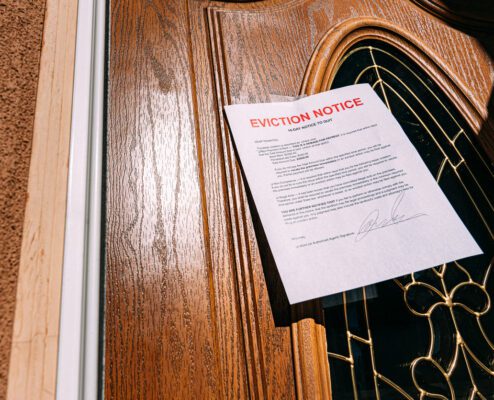
The state operates under a for-cause framework, meaning a landlord generally needs a legally recognized reason to end a tenancy or decline to renew one, rather than acting without justification. The specific reasons and procedures depend on the situation and are governed by state and local law.
In general, the process involves providing the tenant with the proper, legally drafted written notice according to the circumstances, then — if the issue is not resolved within the outlined time period — pursuing the matter through the court system. If a court ultimately rules in the landlord’s favor, enforcement is typically carried out by local authorities, not by the landlord directly. This process can take up to a few months between posting the demands to finally having the tenants out of the property.
Recent legislation has also strengthened cause-based requirements in many situations, reinforcing that landlords need valid grounds for eviction or non-renewal.
Because eviction rules involve specific notice types, filing procedures, and timelines that vary by location and circumstance, it’s important to understand the general framework — and to work with a qualified attorney to navigate any actual eviction situation correctly.
Landlord Entry and Privacy
Colorado law doesn’t set a statewide minimum notice period for landlord entry the way some states do. In fact, if the lease doesn’t include a clause for entry, then the landlord has no grounds to do so. For that reason, it’s important to make sure your lease outlines when the landlord or their representatives may enter the property. Make sure to include the notice provisions for doing so. Generally, Colorado recommends providing enough notice that is reasonable given the situation. For most non-emergency situations, reasonable could be 24 hours. For emergency situations, it could be as little as a heads up that you’re on your way. Always check your specific lease for entry provisions and be sure to consult your legal council for specifics when it comes time to draft the agreement.
Protection from Retaliation
Tenants who exercise their legal rights, reporting a habitability issue, requesting repairs, or organizing with other renters, are protected from retaliation under Colorado law. Retaliatory actions can include things like a sudden rent increase, new fees, refusal to renew a lease, or eviction threats without valid cause made shortly after a tenant raises a legitimate concern. If retaliation is proven, tenants may be entitled to damages and other remedies.
The Bottom Line
Colorado’s landlord-tenant framework strikes a balance: landlords retain meaningful control over their property and lease terms, while tenants are guaranteed baseline protections for safety, fair process, and financial security. But those protections are spread across multiple statutes—covering everything from eviction procedures and habitability timelines to deposit rules and entry provisions—and they’ve changed significantly in recent years, with more updates always possible. The details matter, mistakes carry real financial and legal risk, and staying current requires tracking bills and court interpretations that don’t stop for your schedule.
For property owners who’d rather not make legislative research a part-time job, that complexity is exactly why professional property management companies exists. Real Property Management Colorado builds compliance into every process—from lease drafting and rent collection to maintenance coordination and, when necessary, navigating eviction procedures correctly. Our local expertise means you’re not guessing at notice requirements, deposit deductions, or habitability deadlines; you’re following procedures that are current and correctly applied. If you’d prefer to focus on growing your portfolio rather than studying the latest statutory update, reach out to learn how experienced management can protect your property, reduce your risk, and give you back your peace of mind.
For a full breakdown of what professional property management costs in Colorado, see our guide to property management fees in Colorado.
Disclaimer: This article is intended for general informational purposes only and is not legal advice. We are not attorneys, and nothing in this post should be relied upon as a substitute for professional legal counsel. Colorado landlord-tenant law changes frequently, and how these statutes apply can depend heavily on the specific facts of your situation. If you have a legal question or dispute, please consult a licensed Colorado attorney or a resource such as Colorado Legal Services.